How to choose sunglasses for a round face
The whole exercise is about adding definition that isn’t there naturally. Get the shape right first, then the width, then let coverage and lens quality settle the final pick.
The rule: contrast your face’s softness
Round features are soft and curved, so the frame’s job is to supply the angles. Straight brow lines, squared corners and defined edges create the visual contrast that makes cheekbones and jawline look more sculpted, and a frame that sits wider than it is tall stretches the face toward a longer, more oval balance — the shape most frames flatter. This is the same contrast principle behind our whole fit guide: match a frame to the opposite of your face’s dominant lines.
Shapes that work
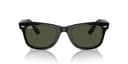
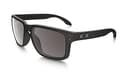
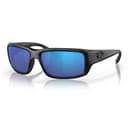
Square and rectangular frames are the safest, strongest choice — the classic Wayfarer is the template, and a squared sport frame like the Holbrook does the same job with more attitude. Browline and geometric shapes add angles up top where they’re most visible. Even an angular wraparound works for the outdoors, because the straight top edge still brings definition. The common thread is corners and clean horizontal lines, not curves.
Shapes to skip
Give a wide berth to small round frames, tiny lenses and thin rimless styles. They repeat the curves of a round face and remove the very contrast you’re after, so the face reads softer and shorter. Perfectly circular retro frames are the clearest example of what not to buy here — they’re a great match for an angular face and the wrong call for a round one. If you’re unsure which category your face falls into, our face-shape guide walks through all four shapes.
Get the width and coverage right
Shape decides the look, but width decides whether it works. Aim for a frame at least as wide as the broadest part of your face; wider frames add structure and stop a round face from looking like it’s spilling past the lenses. A larger frame carries a bonus: more coverage means more of the delicate skin around your eyes is shielded, and the American Academy of Ophthalmology recommends bigger, wraparound styles for exactly that reason. Once shape and width are settled, let lens quality and budget pick the winner — and if you want the strongest all-round options first, start with our best sunglasses roundup.
Frame details that reinforce the effect
Once the shape and width are right, small details push the contrast further. A frame with squared-off corners and a defined, straight brow line reads as more angular than a softly rounded one of the same silhouette, so it does more work on a round face. A bit of visual weight helps too — a bolder acetate front or a color that stands against your skin draws a clear line where the frame meets the face, adding definition, where a thin, pale or rimless frame tends to disappear. None of this outranks the basic rule, but it’s the difference between a frame that merely works and one that genuinely sharpens a round face.