Shade & Temple

Best Sunglasses That Fit Over Glasses

The best fit-over (OTG) sunglasses you wear over your prescription glasses — how to measure your frames so they actually fit, the coverage-versus-bulk trade-off, and four polarized picks from budget to purpose-built.

By Stephen V.Last updated How we pick

If you wear prescription glasses and don’t want a second prescription pair or fiddly clip-ons, fit-over sunglasses are the simple answer. Often labeled OTG(short for “over the glasses”), they’re oversized frames designed to slip on right over your regular glasses, with a little extra room in the temples and the lens well so nothing presses against your face. They’re the cheapest way to get real sun protection without leaving your prescription behind, and unlike prescription sunglasses they don’t need a new lens order — you keep wearing the glasses you already own and just add shade on top.

The whole game with fit-overs is fit, and it comes down to one habit: measure your glasses — both width and height — and check them against the internal dimensions listed for the fit-over before you buy. After that it’s a trade-off between coverage and bulk: bigger frames add side and top shields that block glare sneaking in around the edges, while slimmer ones are lighter but suit smaller glasses. We’d take polarized lenses for the glare and confirm 100% UV every time. Prices below are live and dated.

How this is funded:we earn a commission if you buy through our links, at no extra cost to you. It never changes which product we recommend, and we’ll tell you when we’d skip one. Full disclosure.

Quick picks

Ranked on lens spec, UV protection, tint fit and buyer value. Select a row to jump to the full write-up. We have not field-tested these — here is exactly what we do instead.

#ProductBest forPrice
1
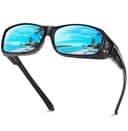
Duco Polarized Wraparound Fitover

Duco Polarized Wraparound Fitover

The best-value fit-over. Duco's wraparound fits over most prescription glasses, adds polarized, UV400 lenses with side coverage to block glare sneaking in from the edges, and costs about $25. For occasional over-the-glasses use — driving, a day outside — it's the sensible pick.

Best overall
$23.38 · View on Amazon

$25.9810% off

Price as of July 18, 2026. #ad How we’re funded

2
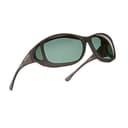
Cocoons OveRx (by Live Eyewear)

Cocoons OveRx (by Live Eyewear)

The fit-over that's actually engineered rather than an afterthought. Cocoons are purpose-built OTG frames with polarized lenses, proper side and top coverage, and a range of sizes so they fit your specific glasses — which is the whole game with fit-overs. You pay more, and it shows in the fit.

Best purpose-built
$74.95 · View on Amazon

Price as of July 18, 2026. #ad How we’re funded

3
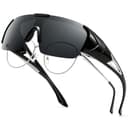
SUNGAIT Polarized Fit Over

SUNGAIT Polarized Fit Over

A cheap, tidy alternative to the Duco fit-over. SUNGAIT's OTG frame is polarized and UV400, with anti-glare side coverage, in a slightly slimmer profile than some bulky fit-overs. If the Duco doesn't fit your glasses, this is the next thing to try at the same price.

Best slim profile
$18.99 · View on Amazon

Price as of July 18, 2026. #ad How we’re funded

4
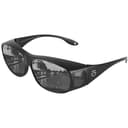
Optix 55 Fit Over HD

Optix 55 Fit Over HD

The budget fit-over that often ships as a day/night set — an HD tinted lens for glare-heavy daytime plus a separate clear/yellow lens. Treat the yellow lens as a comfort tint, not UV sun protection, and use the tinted lens for actual sun. Cheap, and useful if you specifically want the two-lens option.

Best budget
$21.50 · View on Amazon

Price as of July 18, 2026. #ad How we’re funded

The picks in full

#1Best overall

Duco Polarized Wraparound Fitover

The best-value fit-over. Duco's wraparound fits over most prescription glasses, adds polarized, UV400 lenses with side coverage to block glare sneaking in from the edges, and costs about $25. For occasional over-the-glasses use — driving, a day outside — it's the sensible pick.

Strengths

  • Fits over most prescription frames without pressing the temples
  • Polarized, UV400, with side coverage against edge glare
  • Around $25 — an easy yes for occasional OTG use

Trade-offs

  • Bulkier than a dedicated sunglass, as all fit-overs are
  • Won't fit the very largest prescription frames
Lens featureFit-over (OTG), polarized, UV400, side coverage
PolarizedYes
Lens tintNot published
Frame materialPolycarbonate (plastic)
UV protectionUV400
Best forOver prescription glasses, Driving, Everyday

Spec note. Duco lists the fitover as polarized with UV400 and side-shield coverage; measure your glasses against the listed internal dimensions before buying.

Specs read from the product listing, on July 18, 2026. “Not published” means the brand does not state that figure.

#2Best purpose-built

Cocoons OveRx (by Live Eyewear)

The fit-over that's actually engineered rather than an afterthought. Cocoons are purpose-built OTG frames with polarized lenses, proper side and top coverage, and a range of sizes so they fit your specific glasses — which is the whole game with fit-overs. You pay more, and it shows in the fit.

Strengths

  • Purpose-built OTG design with genuine size options for a proper fit
  • Polarized lenses with real top and side coverage
  • Better hinges and build than the sub-$25 fit-overs

Trade-offs

  • Several times the price of a generic fit-over
  • Still a fit-over look — bulkier than a standalone sunglass
Lens featurePurpose-built OTG, polarized, sized to fit
PolarizedYes
Lens tintAmber / gray (varies)
Frame materialPolycarbonate (plastic)
UV protection100% UV protection
Best forOver prescription glasses, Driving, Outdoors

Spec note. Cocoons are sold in multiple sizes keyed to your eyeglass dimensions; the OveRx line uses polarized lenses with full-coverage side and top shields.

Specs read from the product listing, on July 18, 2026. “Not published” means the brand does not state that figure.

#3Best slim profile

SUNGAIT Polarized Fit Over

A cheap, tidy alternative to the Duco fit-over. SUNGAIT's OTG frame is polarized and UV400, with anti-glare side coverage, in a slightly slimmer profile than some bulky fit-overs. If the Duco doesn't fit your glasses, this is the next thing to try at the same price.

Strengths

  • Polarized and UV400 with anti-glare side coverage
  • Slightly slimmer than the bulkiest fit-overs
  • Budget price for occasional OTG use

Trade-offs

  • Slimmer profile fits smaller prescription frames better than large ones
  • Budget build
Lens featureFit-over (OTG), polarized, UV400
PolarizedYes
Lens tintNot published
Frame materialPolycarbonate (plastic)
UV protectionUV400
Best forOver prescription glasses, Everyday, Budget

Spec note. SUNGAIT lists the fitover as polarized with UV400 and anti-glare side coverage.

Specs read from the product listing, on July 18, 2026. “Not published” means the brand does not state that figure.

#4Best budget

Optix 55 Fit Over HD

The budget fit-over that often ships as a day/night set — an HD tinted lens for glare-heavy daytime plus a separate clear/yellow lens. Treat the yellow lens as a comfort tint, not UV sun protection, and use the tinted lens for actual sun. Cheap, and useful if you specifically want the two-lens option.

Strengths

  • Inexpensive fit-over with side coverage
  • Often bundled with a second lens for low-light comfort
  • Fits over many prescription frames

Trade-offs

  • The yellow 'night' lens is a comfort tint, not UV sun protection
  • Confirm the tinted lens's UV rating on the listing before relying on it
Lens featureFit-over (OTG), day/night lens option
PolarizedNot published
Lens tintHD amber / gray (day), yellow (night)
Frame materialPolycarbonate (plastic)
UV protectionUV400 (tinted lens; confirm on listing)
Best forOver prescription glasses, Driving, Budget

Spec note. Sold as an HD day/night fit-over; the yellow low-light lens is a comfort tint and should not be treated as UV sun protection.

Specs read from the product listing, on July 18, 2026. “Not published” means the brand does not state that figure.

How to choose sunglasses that fit over glasses

A fit-over lives or dies on whether it actually clears your glasses. Measure first, then decide how much coverage you want, then sort out lenses and comfort.

Measure your glasses first

This is the step people skip and regret. Measure the total width of your prescription frames across the front, and their height at the tallest point, then compare those numbers against the internal dimensions the fit-over lists. If the OTG’s inside measurements are larger than your glasses, they’ll clear; if they’re smaller, your glasses will jam against the lenses or the frame won’t close. Large or tall prescription frames are the usual reason a fit-over doesn’t work, so this one check saves the most returns.

Sizing up for larger prescription glasses

If your everyday glasses are on the large or tall side, pay extra attention here, because that’s where cheap one-size fit-overs fail. Purpose-built OTG lines are sold in more than one size keyed to eyeglass dimensions, so you can pick the width and depth that actually clears your frames instead of hoping a single generic size fits. A slim, lower-profile fit-over is the wrong call for a big pair of glasses — it looks tidier but simply won’t close over them. When in doubt, size up: a fit-over with a touch of spare room is comfortable, while one that’s a hair too small is unwearable.

Side coverage versus bulk

Fit-overs earn their keep with wraparound side shields that block the sunlight and glare that would otherwise leak in past the edges of your glasses — the same coverage logic the American Academy of Ophthalmology recommends in larger, wraparound styles. The catch is that more coverage means more bulk, and a big fit-over looks like what it is. Slimmer, lower-profile designs cut that bulk and look tidier, but they fit smaller glasses and give up some edge protection. Decide which you care about more before you choose.

Go polarized, and confirm the UV

Because a big reason to wear sunglasses over your glasses is glare — driving, water, snow — a polarizedfit-over is worth prioritizing; it cuts the reflected glare a plain tint can’t. Our polarized sunglasses guideexplains why. Whatever you pick, confirm it states 100% UV or UV400, because a dark lens without a UV filter is worse than none. And watch out for budget fit-overs sold with a yellow “night” lens: that’s a low-light comfort tint, not sun protection, and it shouldn’t be relied on for UV.

Comfort: temples, nose and weight

A fit-over has to sit over two sets of temples, so comfort is about pressure. The best ones leave room so the outer frame doesn’t press your glasses’ arms into the side of your head over a long drive or walk, and a lightweight frame keeps the stacked setup from sliding down your nose. If you’re choosing between fit and looks, fit wins — a fit-over you’ll actually wear beats a sleeker one that pinches. For the shapes that suit your face once you’re past the prescription question, see our face-shape guide, and for the wider fit picture our fit guide.

Frequently asked questions

What does OTG or fit-over mean?

OTG stands for 'over the glasses.' Fit-over or OTG sunglasses are oversized frames built to be worn right over your regular prescription glasses, with extra room in the temples and lens area so they don't press on your face. They let you get sun and glare protection without buying prescription sunglasses or clip-ons.

How do I know a fit-over will fit my glasses?

Measure your prescription glasses — the total width across the front and the height at the tallest point — and compare those to the internal dimensions listed for the fit-over. If the OTG's inside measurements are bigger than your glasses, they'll fit; if they're smaller, your glasses will press against the lenses. Large or tall frames are the most common reason a fit-over doesn't clear.

Are fit-over sunglasses bulky?

Somewhat, by design — they have to be big enough to go over another frame, and the ones with full side shields look the bulkiest. That side coverage is also what blocks glare leaking in around your glasses, so it's a genuine trade-off. Slimmer, lower-profile fit-overs reduce the bulk but fit smaller glasses and offer a little less edge protection.

Should fit-over sunglasses be polarized?

If you can, yes. A lot of the reason to wear sunglasses over your glasses is cutting glare while driving or near water and snow, and polarized lenses handle reflected glare that a plain tint can't. Just confirm the pair also states 100% UV or UV400 — polarization and UV protection are separate features, and you want both.

Are fit-overs or clip-ons better?

It depends on what you value. Fit-overs add side coverage against glare and work with almost any glasses, but they're bulkier. Clip-ons are slimmer and less noticeable, but they have to match your specific frame and don't shield the sides. If glare protection and easy compatibility matter most, fit-overs win; if you want the lowest-profile look, clip-ons have the edge.

Sources

Keep reading