Sport & Activity Sunglasses
The right lens and frame change by activity — glare off the water for fishing, contrast on the green for golf, grip and weight for running. Roundups for each, with the tint reasoning behind every pick.
There is no single “best sport sunglass,” because each sport asks the lens to do a different job. An angler needs to see through the water, which means polarization is non-negotiable. A golfer needs to read the subtle contours of a green, which is why the best golf lenses are tuned for contrast and deliberately not polarized. A runner needs a frame that stays put and doesn’t fog, and a driver needs glare control that helps by day without ever going near a night drive. Match the lens to the activity and a cheap pair can outperform an expensive one used in the wrong place.
That’s how we’ve organized this hub: one roundup per activity, each with a clear top pick and a live price you can act on, plus the tint-and-fit reasoning behind it. Below the picks, the short buyer’s guide covers the two features that decide a sport lens — polarization and tint — so you can tell when a $25 pair is genuinely enough and when the premium is worth it.
Three activities sit slightly apart from the rest and get their own pages. Cycling is really a wind and changing-light problem before it is a sun one, which is why photochromic lenses matter more there than anywhere else. Hiking is the high-UV case — exposure rises with altitude and again over reflective ground. And the beach is where the light comes at you from below and salt destroys cheap coatings, so the picks run from a lens worth protecting to one you genuinely will not mourn.
Five more activities have their own pages because each breaks a rule the others follow. Baseball is the one sport where you spend the key moments looking up into the brightest part of the sky. Pickleball is about separating a yellow ball from a blue-green court. Motorcycling is a wind and debris problem solved with a foam seal and an impact rating. Skiing and snow is the only place a category 4 lens belongs. And ANSI Z87.1 safety sunglasses are for outdoor work, where the listing usually publishes an impact rating and stays quiet about UV.
Five more sit at the edges of the same logic. Tennis is the one page here where we do not insist on polarization, because staying put through a serve matters more. Boating is the fishing brief with nowhere to look away, since the sun arrives twice — once from above and again off the water. Shooting and hunting is the one pursuit where tint is a performance tool rather than a preference, and where an unmarked lens is a real risk. Mountain biking breaks the rules road eyewear is built around — slow climbs that fog, dappled light that changes by the second. And floating sunglasses answer the failure the rest ignore: a pair that goes over the side sinks in about a second.
Two more arrived with the October 2026 wave, and both exist because a neighbouring page answers a different question than people assume. Sailing is not the boating brief with a mast added — under sail you sit in the apparent wind for hours, so sealing and retention decide it before lens quality does, and the top pick for heavy air is the cheapest frame on the page. And walking is not slow running: a walker generates almost no bounce and is usually out in the first or last hour of daylight, when the sun is lowest and the frame matters more than the lens.
Everything in Sport
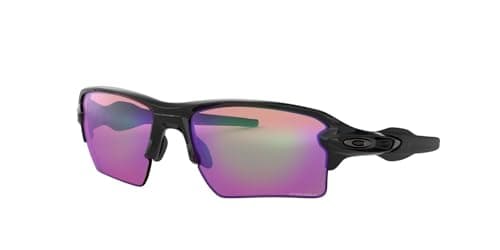
Best Sunglasses for Golf
Contrast-boosting tints that help you read the green and track the ball, in frames that stay put through a swing.
Our top pick
Oakley Flak 2.0 XL Prizm Golf
$214.00 · View on AmazonPrice as of October 20, 2026. #ad How we’re funded
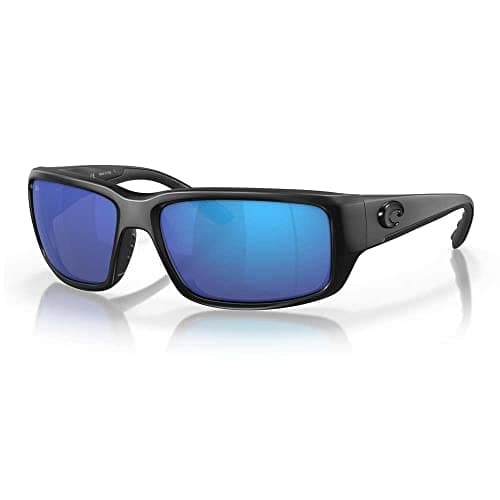
Best Sunglasses for Fishing
Polarized lenses that cut the glare off the water so you can see structure, fish and line — the one category where polarization isn't optional.
Our top pick
Costa Del Mar Fantail 580G
$296.00 · View on AmazonPrice as of October 20, 2026. #ad How we’re funded
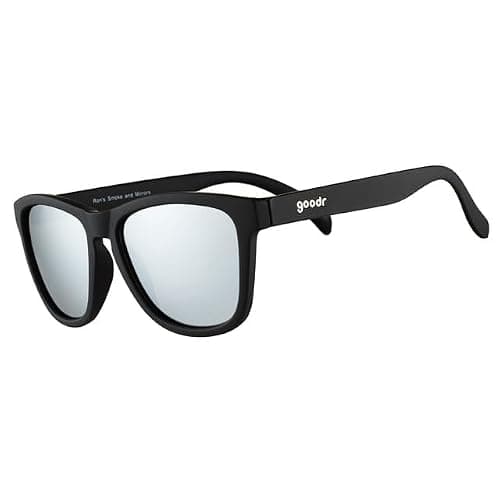
Best Sunglasses for Running
Lightweight, no-bounce frames with grippy nose pads and vented lenses — the picks that stay on and don't fog.
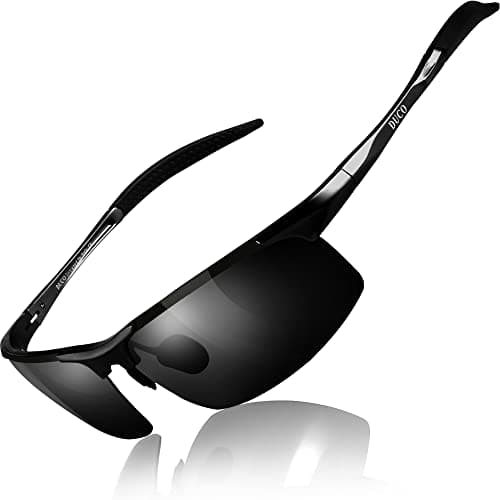
Best Sunglasses for Driving
Glare control that helps by day — plus the honest caveat about polarization, LCD dashboards and why you should never drive at night in tinted lenses.
Our top pick
Duco Polarized Sports (Driving)
Best Sunglasses for Cycling
Coverage against wind and grit, a lens that keeps up with tunnels and tree cover, and a frame that clears a helmet strap — including the photochromic picks.
Our top pick
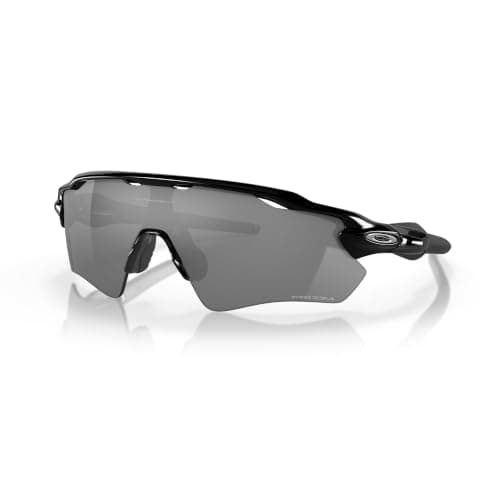
Oakley Radar EV Path Prizm
$244.00 · View on AmazonPrice as of October 20, 2026. #ad How we’re funded
Best Sunglasses for Hiking
Altitude means more UV, and a trail means light that changes every ten minutes — the picks that handle both without weighing on your nose all day.
Our top pick
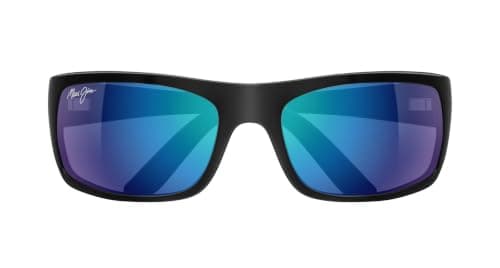
Maui Jim Peahi
$289.00 · View on AmazonPrice as of October 20, 2026. #ad How we’re funded
Best Sunglasses for the Beach
Sand and water throw UV back up at you, and salt eats cheap coatings. Polarized picks from a pair you'd cry over to one you genuinely wouldn't.
Our top pick
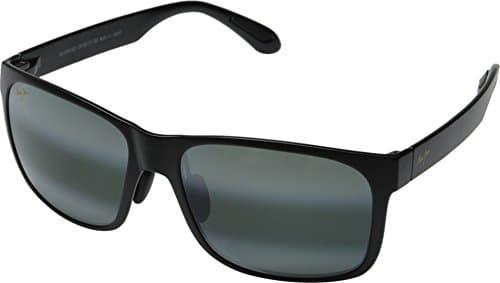
Maui Jim Red Sands Polarized
$259.00 · View on AmazonPrice as of October 20, 2026. #ad How we’re funded
Best Sunglasses for Baseball
Tracking a fly ball means looking into the brightest part of the sky — picks judged on contrast tint, coverage upward, and whether they sit under a cap brim.
Our top pick
Oakley Radar EV Path Prizm
$244.00 · View on AmazonPrice as of October 20, 2026. #ad How we’re funded
Best Sunglasses for Pickleball
A yellow ball on a blue-green court, played with fast hands close to the net — contrast tints and no-slip grip, plus why eye guards are a separate purchase.
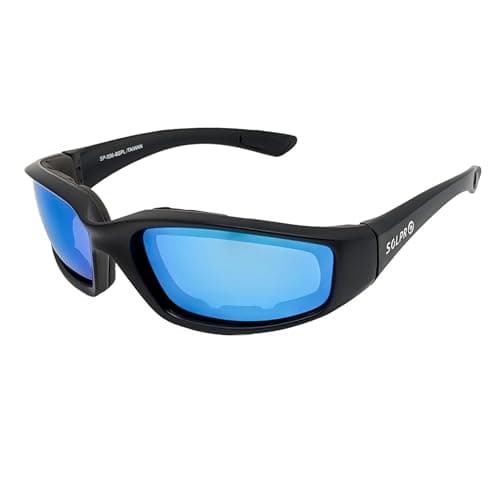
Best Sunglasses for Motorcycle Riding
At 60 mph it is a wind problem before it is a sun problem. Foam-sealed, ANSI Z87.1 and photochromic picks — with an honest note on which listings publish a UV figure.
Our top pick
SOL PRO Foam Padded Polarized Riding
$20.25 · View on AmazonPrice as of October 20, 2026. #ad How we’re funded
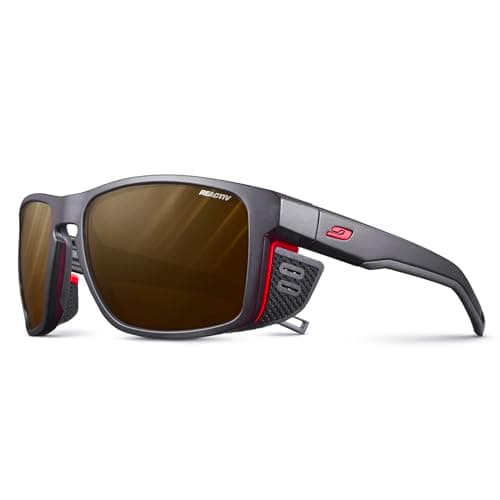
Best Sunglasses for Skiing and Snow
Snow reflects UV straight back up at you and altitude adds more. Category 4 glacier lenses, photochromic sport picks, and what snow blindness actually is.
Our top pick
Julbo Shield (REACTIV 2-4 Polarized)
$249.95 · View on AmazonPrice as of October 20, 2026. #ad How we’re funded
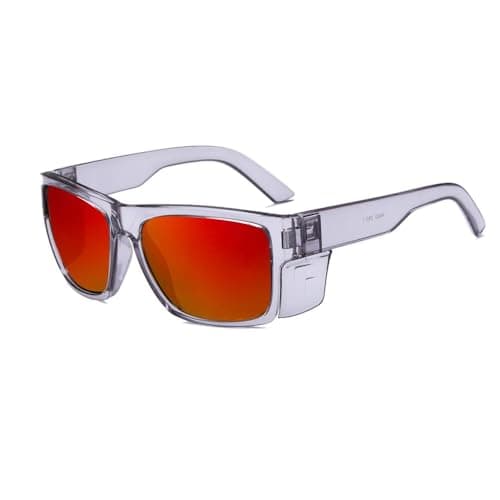
Best ANSI Z87.1 Safety Sunglasses
Tinted eyewear certified against impact — and the uncomfortable fact that a Z87.1 mark tells you nothing at all about ultraviolet.
Our top pick
BEASVFE Z87.1 Polarized Safety Sunglasses
Best Sunglasses for Tennis
The racket sport most players give up on sunglasses for — judged on whether a frame stays put through a serve, and whether you can still track a yellow ball against the sky.
Our top pick
Oakley Radar EV Path Prizm
$244.00 · View on AmazonPrice as of October 20, 2026. #ad How we’re funded
Best Sunglasses for Boating
Sun above, the same sun again off the water below, and nowhere to look away. Polarization, coverage and whether a pair survives salt and a swim.
Our top pick
Costa Del Mar Fantail 580G
$296.00 · View on AmazonPrice as of October 20, 2026. #ad How we’re funded
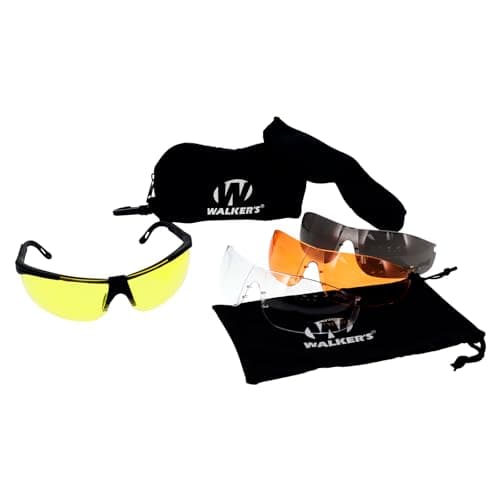
Best Sunglasses for Shooting and Hunting
The one pursuit where lens tint is a performance tool rather than a preference — and where an unmarked lens is a genuine risk.
Our top pick
Walker's Sport Glasses, 4 Interchangeable Lenses
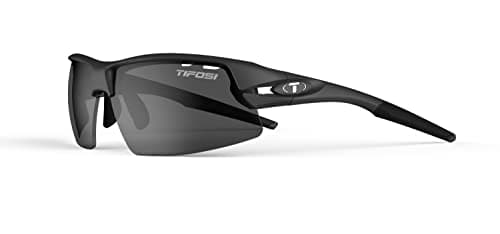
Best Sunglasses for Mountain Biking
Trail riding breaks the rules road eyewear is built around: slow climbs that fog, dappled light that changes every second, and branches at eye height.
Our top pick
Tifosi Crit Polarized Fototec
$99.95 · View on AmazonPrice as of October 20, 2026. #ad How we’re funded
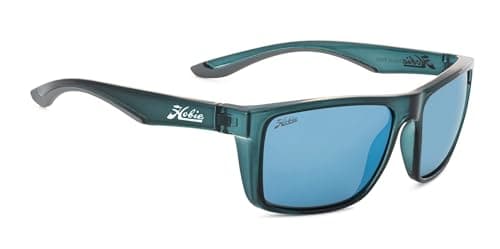
Best Floating Sunglasses
Sunglasses that go over the side sink in about a second. Five floating pairs worth owning — and an honest account of when a ten-dollar retainer on the pair you already have beats buying one.
Our top pick
Hobie Cove Float
$99.99 · View on AmazonPrice as of October 20, 2026. #ad How we’re funded
Best Sunglasses for Truck Drivers
Ten hours a day in a cab is an occupational UV exposure, not a commute — and the side window, not the windshield, is where it comes in.
Our top pick
Duco Polarized Sports (Driving)
Best Sunglasses for Beach Volleyball
A diving sport played barefoot on an abrasive, glare-throwing surface with no cap brim — so grip decides this one before optics do.
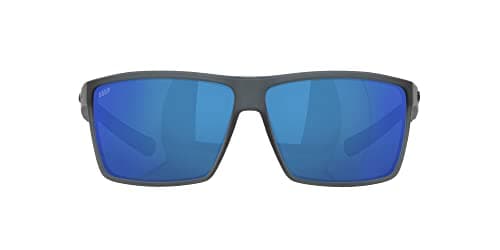
Best Sunglasses for Sailing
The one water sport where wind decides it before glare does — so the ranking starts with sealing and retention, and the top pick for heavy air is the cheapest frame on the page.
Our top pick
Costa Del Mar Rincon 580P
$233.00 · View on AmazonPrice as of October 20, 2026. #ad How we’re funded
Best Sunglasses for Walking
Most people walk in the first or last hour of daylight, when the sun is lowest and hardest to block — which makes coverage beside and above the lens matter more than anything a sport frame is sold on.
Best Sunglasses for Rowing
You face backwards, sit a hand's width above the water and cannot let go of the oars to push your glasses back up. Ranked on grip and fog first, and on what you do about not seeing where you are going.
Best Glacier Glasses
Category 4 lenses and side shields for snow and altitude — and the uncomfortable fact that filter category and UV protection are two different specs, and most listings only state one of them.
Our top pick
Julbo Shield (REACTIV 2-4 Polarized)
$249.95 · View on AmazonPrice as of October 20, 2026. #ad How we’re funded
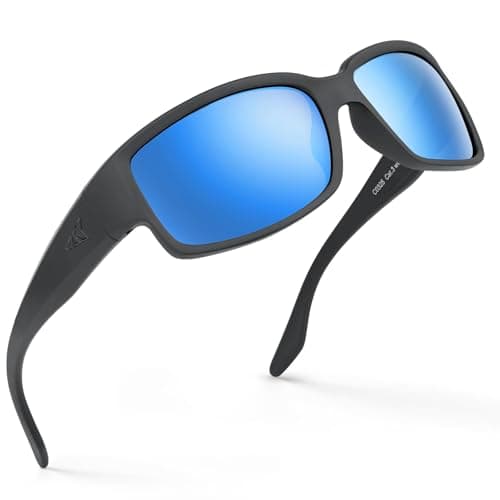
Best Sunglasses for Lifeguards
The one job where seeing through the surface of the water is the task rather than a bonus, which makes polarization equipment instead of a preference. Then ranked on surviving a full shift in salt or chlorine.
Our top pick
KastKing Skidaway Polarized
Choosing a sport lens: the two things that matter
Polarization: essential for water, wrong for greens
Polarized lenses cut the reflected glare that bounces off flat surfaces — water, wet pavement, a car hood. For fishing, boating and driving, that glare reduction is the whole point: an angler with a polarized lens sees structure and fish instead of a mirror. But polarization also flattens the subtle sheen that tells a golfer how a green breaks, which is why dedicated golf lenses like Oakley’s Prizm Golf are non-polarized on purpose. For running, it’s optional — many runners prefer a non-polarized lens to read wet-road texture. Our polarized sunglasses guide explains the mechanism.
Tint: contrast versus true color
A gray lens keeps colors accurate and is the safe all-rounder. Contrast tints — copper, amber, rose, and brand blends like Prizm — boost the difference between colors, which helps you pick a ball off the fairway or read a break on the green. Costa and Maui Jim take this further with lenses engineered to filter specific wavelengths for on-water clarity. The right tint depends on the light you play in; our lens colors guide has the full table.
Fit: it has to stay on
A sport frame is useless if it slides down your nose on a run or bounces on a cart path. Look for rubberized (hydrophilic) nose pads and temple tips that grip harder as you sweat, and a wrap that gives peripheral coverage without pinching. That’s what separates a true sport frame — goodr, Tifosi, Oakley’s O Matter — from a lifestyle pair that happens to look sporty. If your current pair creeps down your nose every twenty minutes, our guide to sunglasses sliding down covers the six causes and the fixes, most of which take five minutes.
When one lens has to cover changing light
The problem no fixed tint solves is a session that starts in shade and finishes in glare — a dawn ride, a forest-to-ridge hike, a run that ends at sunset. A photochromic lens darkens in ultraviolet and clears again in shade, which covers the whole span with one pair. It is the single most useful feature in sport eyewear for anyone who moves through mixed light — with two caveats worth knowing before you buy, both covered in that guide. Brand-wise, Tifosi is the one that made the technology affordable, and Oakley is where tuned contrast tints live.
The two sports on this hub where the frame is the whole decision
Most roundups here are won by the lens. Two are not. Rowing is the only sport we cover where both hands are occupied and you face the wrong way, so grip under sweat and fog resistance outrank every lens spec — and the frame built for facing the stern has a mirror on it rather than a better tint. And on snow at altitude the decision is glacier glasses: a category 4 lens with side shields, where the uncomfortable fact is that filter category and UV protection are two separate specifications and most listings state only one of them. Neither page is a re-cut of sailing or skiing; both invert the ranking.
Buying for someone else who plays
Every roundup on this hub is written for the wearer. If you are buying sunglasses as a gift for an angler, golfer, runner, cyclist, hiker or paddler, our gift guide for outdoor lovers re-sorts the same picks by activity with the one lens rule a gifter needs for each — including the one activity where a polarized gift is the wrong tool.
The one page here written for a job rather than a sport
Every other roundup on this hub is for someone choosing how to spend a Saturday. Best sunglasses for lifeguards is for someone doing an eight-hour shift, and that changes the ranking twice over. Yours is the one job where the core task — seeing a body below a reflective surface — is precisely what a polarizing filter does, so polarization stops being a preference and becomes equipment. And a pair that lives through salt, chlorine, sand and a surf entry has to be cheap enough to replace, which is why the top pick is not the best lens on the page. It is not a re-cut of boating or floating: both of those rank for moving across the water rather than watching it.