Fit & Face Shape
The frame that flatters your face and the one that fits over your prescription glasses. Fit rules by face shape, plus roundups for round faces and fitting over eyeglasses.
A pair of sunglasses can nail every lens spec and still be the wrong buy if it doesn’t suit your face or sit comfortably. Fit is two separate questions, and this hub covers both. The first is shape — which frame flatters your face — and it comes down to one rule that’s simpler than most guides make it. The second is practical fit, including the specific problem of wearing sunglasses over prescription glasses, which needs its own kind of frame.
The shape rule is contrast: you generally want a frame whose lines work against your face’s natural lines rather than echoing them. Angular frames add definition to softer, rounder faces; softer or rounded frames take the edge off stronger, more angular ones. That one idea, plus getting the frame width roughly matched to your face, does most of the work — the rest is personal taste, and taste is allowed to win.
If you wear prescription glasses, you have a third option most people don’t know to look for: purpose-built fit-over (OTG) frames sized to go over your existing glasses without pressing on the temples. Below the guides, a short buyer’s guide walks through how to size and shape a frame — the contrast rule, frame width versus face width, and how much coverage you actually need — so you can shop with a checklist instead of a guess.
And if you already know what is wrong, go straight to it. Frames that leave pressure marks at your temples are too narrow, which our wide-face roundup solves. Frames that creep down your nose are usually a bridge problem — our guide to sunglasses sliding down has six causes and their fixes. And if you want to stop guessing entirely, our sunglasses size guide explains the three numbers printed inside every temple arm, which are the fastest reliable way to buy a frame that fits without trying it on.
The hub now covers every common face shape and the two fit problems people most often misdiagnose. Shape roundups for oval and heart-shaped faces sit alongside the round and square pages. If frames sit out past your temples, our small-face roundup covers frames actually made small rather than standard ones that photograph petite. If they rest on your cheeks instead, that is bridge geometry rather than size — our low nose bridge guide explains the difference and what fixes it. And for the smallest faces of all, our kids’ sunglasses roundup covers sizing by age band and the UV rating most children’s listings never publish.
One page here is a diagnostic rather than a roundup. If a pair hurts to wear, our guide to why sunglasses give you a headache works through the five causes in the order they are likely — frame pressure, wrap-induced optical distortion, a lens too dark for the light, an uncorrected prescription, and what a polarized lens reveals in car glass — each with a test you can run on the pair you already own.
Everything in Fit Guide
Sunglasses for Your Face Shape
The one rule that decides a flattering frame — contrast your face's shape — with picks for round, square, oval and heart faces.
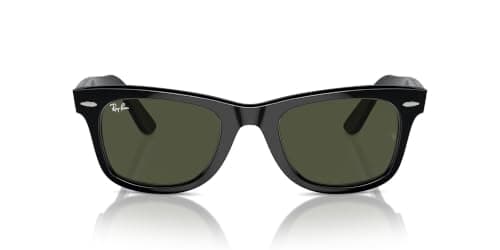
Best Sunglasses for a Round Face
Angular, wider frames that add definition to softer, rounder features — squared and rectangular picks that work.
Our top pick
Ray-Ban RB2140 Original Wayfarer
$191.00 · View on AmazonPrice as of October 20, 2026. #ad How we’re funded
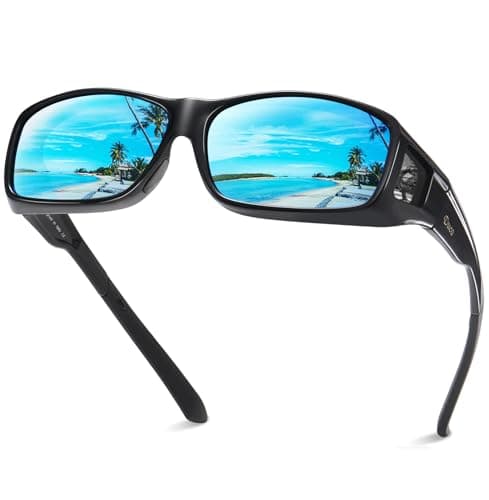
Best Sunglasses That Fit Over Glasses
Fit-over (OTG) frames sized to wear over your prescription glasses without pressing on the temples — comfortable, polarized picks.
Our top pick
Duco Polarized Wraparound Fitover
$26.98 · View on AmazonPrice as of October 20, 2026. #ad How we’re funded
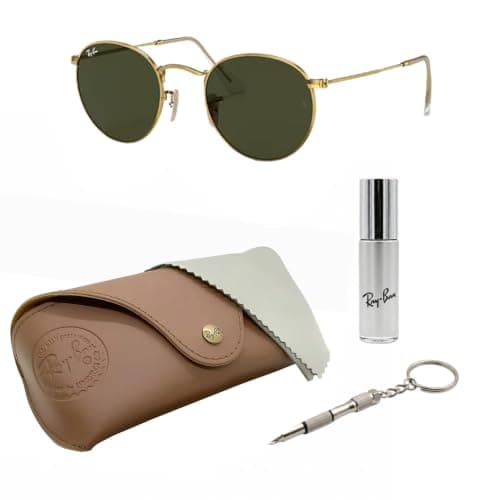
Best Sunglasses for a Square Face
Round and curved frames that soften a strong jaw and brow — the exact opposite advice to a round face, and the picks that deliver it.
Our top pick
Ray-Ban RB3447 Round Metal
$201.00 · View on AmazonPrice as of October 20, 2026. #ad How we’re funded
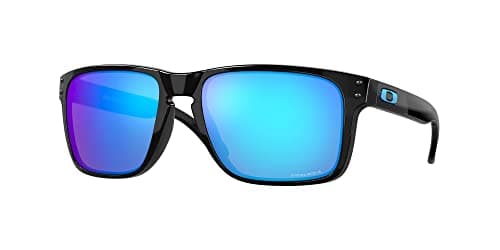
Best Sunglasses for Big Heads and Wide Faces
Frames with a genuinely wider front and longer temples — so they stop leaving marks, pinching behind the ears, or sitting like a visor.
Our top pick
Oakley Holbrook XL OO9417
$184.00 · View on AmazonPrice as of October 20, 2026. #ad How we’re funded
Sunglasses Size Guide: How to Read Frame Measurements
What 54-18-140 printed inside the temple means, how to measure the pair you already own, and how to buy a frame that fits without trying it on.

Why Your Sunglasses Slide Down (and How to Stop It)
Six causes, from a too-wide bridge to heat-relaxed temples — with the fixes you can do at home and the one that needs an optician.
Best Sunglasses for an Oval Face
The one shape that suits almost everything, which makes it the harder shopping problem — the proportion rule that finally narrows the field.
Our top pick
Ray-Ban RB2140 Original Wayfarer
$191.00 · View on AmazonPrice as of October 20, 2026. #ad How we’re funded
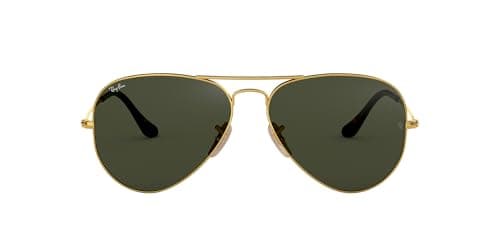
Best Sunglasses for a Heart-Shaped Face
A broad forehead tapering to a narrow chin needs weight low and a light top rail — aviators, round frames, and the two shapes to avoid.
Our top pick
Ray-Ban RB3025 Classic Aviator
$191.00 · View on AmazonPrice as of October 20, 2026. #ad How we’re funded
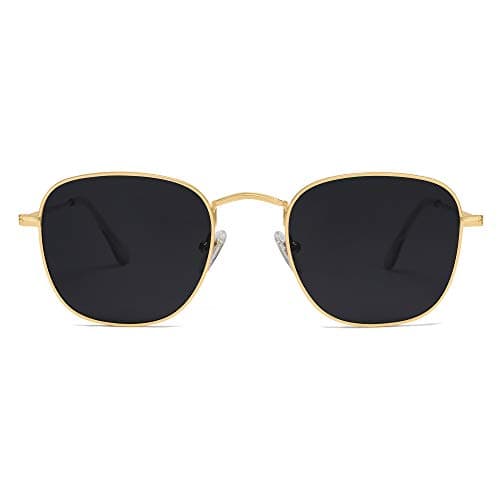
Best Sunglasses for Small and Narrow Faces
Frames actually made small rather than standard ones that photograph petite — with the millimeter ranges to look for before you order.
Our top pick
SOJOS SJ1143 Small Square
Sunglasses for a Low or Narrow Nose Bridge
If your sunglasses rest on your cheeks or slide down from day one, the problem is bridge geometry rather than size — and there are frames engineered for it.
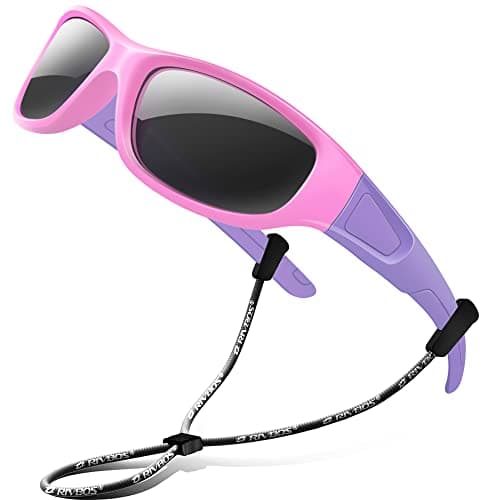
Best Sunglasses for Kids
Children get more UV exposure than adults and far worse eyewear — six picks judged on the one thing most kids' listings never publish, a UV rating.
Our top pick
RIVBOS RBK037 Kids Polarized
$9.99 · View on AmazonPrice as of October 20, 2026. #ad How we’re funded
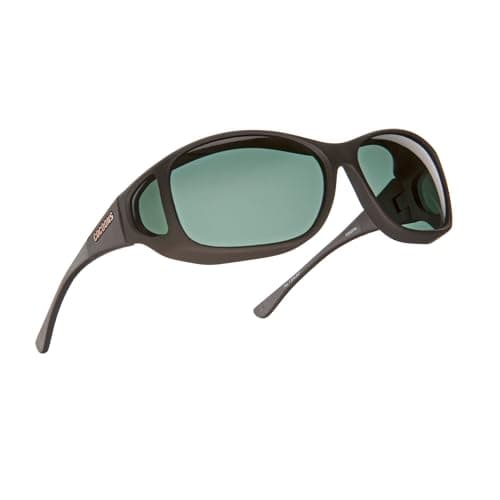
Prescription Sunglasses: Every Route, Compared
Five ways to see clearly in the sun if you wear glasses — a dedicated Rx pair, photochromic lenses, clip-ons, fit-overs or contacts. What each costs you in money, convenience and optical quality.
Our top pick
Cocoons Style Line MX (by Live Eyewear)
$74.95 · View on AmazonPrice as of October 20, 2026. #ad How we’re funded
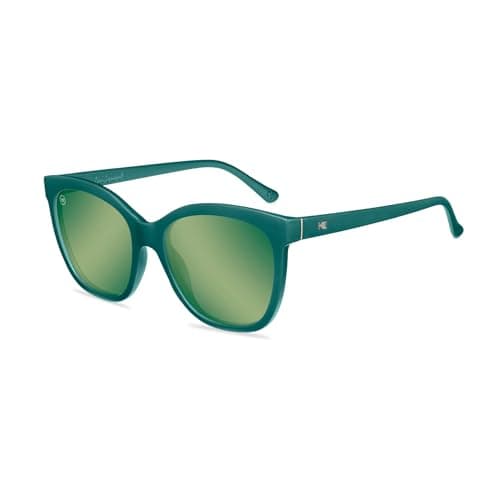
Best Sunglasses for a Diamond Face
The rarest face shape and the clearest rule: wide cheekbones with a narrow forehead and chin, so the frame's job is to add width at the brow.
Our top pick
Knockaround Cat Eye Polarized
$34.99 · View on AmazonPrice as of October 20, 2026. #ad How we’re funded
Best Sunglasses for a Long Face
The shape that needs the opposite of the standard advice — depth rather than width, and a low bridge to break the vertical line.
Our top pick
Oakley Holbrook XL OO9417
$184.00 · View on AmazonPrice as of October 20, 2026. #ad How we’re funded
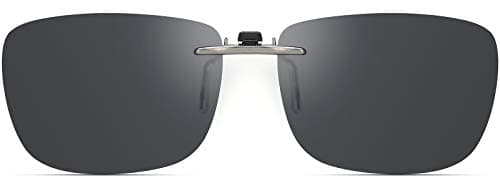
Best Clip-On Sunglasses
The cheapest honest answer to wearing sunglasses over a prescription — and the one where fit, not lens quality, decides whether you keep them.
Our top pick
CAXMAN Polarized Clip-On (Large)
$14.99 · View on AmazonPrice as of October 20, 2026. #ad How we’re funded
Best Sunglasses for Light Sensitivity
The instinct is to buy the darkest lens you can find — and ophthalmologists warn that indoors this makes it worse. What actually helps.
Our top pick
Cocoons Style Line MX (by Live Eyewear)
$74.95 · View on AmazonPrice as of October 20, 2026. #ad How we’re funded
Best Sunglasses for Seniors
Ophthalmologists link ageing to sharper glare sensitivity, fewer tears and lost contrast — and lost contrast raises the risk of a fall. The picks that answer all three, plus the fit details that matter more at 70 than at 30.
Our top pick
Cocoons Style Line MX (by Live Eyewear)
$74.95 · View on AmazonPrice as of October 20, 2026. #ad How we’re funded
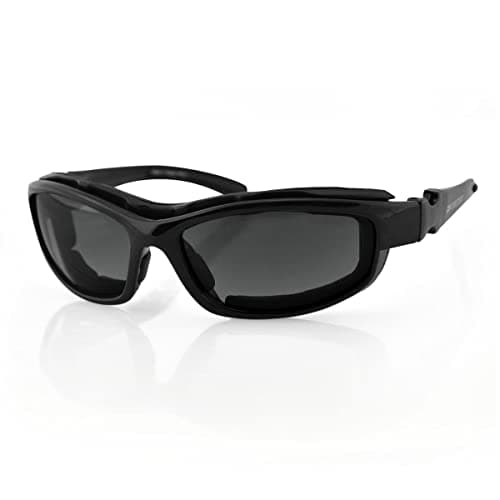
Best Sunglasses for Dry Eyes
The AAO's own dry-eye advice names one piece of eyewear: wraparound sunglasses, to keep wind off your tear film. The frames that actually seal, and the ones that only look like they do.
Our top pick
Bobster Road Hog II
$62.98 · View on AmazonPrice as of October 20, 2026. #ad How we’re funded

Sunglasses After Cataract Surgery
Your surgeon's instructions come first, always. What the AAO publishes about light sensitivity, dryness and wraparound cover afterwards — and what to look for in a pair.
How to Adjust Sunglasses at Home
Crooked, too tight, sliding, or digging in behind one ear — most of it is fixable in a few minutes. Which materials bend, which snap, and when the frame is simply the wrong size.
Why Sunglasses Give You a Headache
Five causes, and only one of them is the lens. Frame pressure, wrap-induced distortion and a lens too dark for the light account for most of it — each with a test you can run at home.
Best Sunglasses for Astigmatism
No sunglass corrects astigmatism — only a lens made to your axis does. So it is a routing decision between four options, and the advice this site usually gives you, buy a wrapped frame, is the wrong advice here.
Our top pick
CAXMAN Polarized Clip-On (Large)
$14.99 · View on AmazonPrice as of October 20, 2026. #ad How we’re funded
Can You Wear Sunglasses With Contacts?
Yes, and it is the cheapest route to prescription sunglasses there is, because every pair on the rack is already yours at the sticker price. One real caveat — dry eye — and the fix is a specific kind of frame.
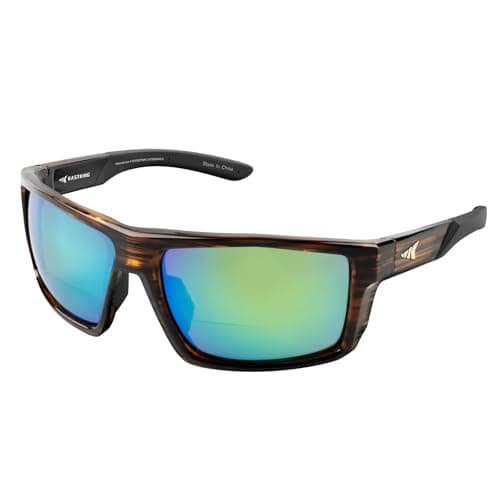
Best Bifocal Sunglasses
A magnifier ground into the bottom of a tinted lens, so you can read a phone, a menu or a fishing knot without swapping glasses. How to pick a power, and the four cheaper alternatives worth considering first.
Our top pick
KastKing Waccamaw Polarized Bifocal
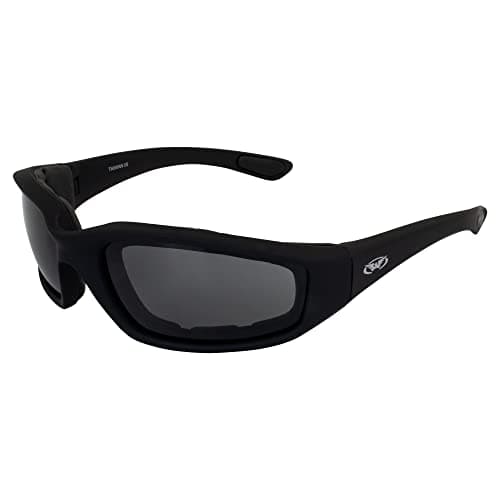
Can You Wear Sunglasses After LASIK?
Your surgeon's instructions come first. What the FDA and the AAO actually publish about light sensitivity, dry eye and the healing window — and the two separate pairs the recovery timeline argues for.
Our top pick
Global Vision Kickback Wraparound
$13.99 · View on AmazonPrice as of October 20, 2026. #ad How we’re funded
Clip-On vs Fit-Over Sunglasses
A measurement question, not a preference: a clip has to match your lens width and shape, a fit-over has to be bigger than your whole frame. Read the numbers inside your temple arm first.
Our top pick
CAXMAN Polarized Clip-On (Large)
$14.99 · View on AmazonPrice as of October 20, 2026. #ad How we’re funded
Do Kids Need Sunglasses?
More than adults do — a child's lens is clearer, so more ultraviolet reaches the retina, and much of a lifetime's exposure happens before adulthood. What to insist on, and what you can skip.
Our top pick
RIVBOS RBK037 Kids Polarized
$9.99 · View on AmazonPrice as of October 20, 2026. #ad How we’re funded
How to size and shape a frame
Start with contrast, not with your face “type”
The single most useful rule is to contrast your face’s dominant lines. If your features are soft and rounded, an angular frame — a squared or rectangular shape — adds the definition a round frame would only soften further. If your features are strong and angular, a rounder or softer frame balances them. It works across face shapes, which is why we lead with it in our sunglasses by face shape guide, and it settles the most-searched case specifically in our best sunglasses for a round face roundup. The mirror image of that case — a strong jaw and brow, softened by round and curved frames — is covered in our best sunglasses for a square face roundup.
Match frame width to face width
After shape, width is what separates a frame that looks made for you from one that looks borrowed. A frame that’s too narrow pinches and makes your face look wider; one that’s too wide slides and overwhelms your features. Aim for a frame whose overall width lines up roughly with the widest part of your face, with the outer edges sitting at or just past your temples. If a listing gives frame measurements in millimeters, compare them against a pair you already like rather than guessing from a photo — our size guide explains exactly what those numbers mean and which one to change for each specific complaint. If standard frames consistently pinch, start with our wide-face and big-head roundup instead.
Decide how much coverage you need
Coverage is both a health and a comfort call. Larger and wraparound frames block more stray light and UV from the sides, which eye-health authorities recommend for maximum protection, and they suit bright, open environments. The trade-off is that bigger frames read more athletic and less dressy. And if you wear prescription glasses, coverage means something different — you need a fit-over frame with enough internal room to clear your glasses without pressing the temples, which our fit-over-glasses guide covers with sized picks.
If the problem is close focus rather than fit
One case on this hub is not about shape, width or coverage at all. Past your mid-forties the thing that stops you wearing sunglasses is usually that you cannot read a phone, a menu or a fishing knot through them, so they come off and stay off. The product built for that is a bifocal sunglass — a tinted lens with a magnifier ground into the bottom of it, sold by reading power rather than by prescription. Our roundup covers how to pick your power, why most of them are not polarized even when the frame looks sporty, and when a fit-over worn over the readers you already own is the cheaper answer.
If you have a prescription, start with the route rather than the frame
Two more pages on this hub are routing decisions rather than fit ones. If you wear contact lenses, the contacts page is worth reading before you spend anything, because it is the cheapest route to prescription sun there is — your correction is already on your eye, so every pair on this site is available at its sticker price, including the wrapped frames the other routes struggle with. And if your prescription includes astigmatism, best sunglasses for astigmatism is the one page on this hub that tells you not to buy a wrapped frame: a correction with an axis in it is harder to put in a steeply curved lens, and the trade press is explicit about what that costs you at the edges.