How to choose a sunglasses brand
A brand is a promise about lenses, build and service — and the promises are easy to check once you know what to look at. Work through these five questions in order; only the first is truly non-negotiable.
1. Does the brand tell the truth about UV and polarization?
This is the trust filter, and it’s where good brands separate from marketing. A trustworthy brand states plainly that its lenses block 100% of UV (UV400 or 100% UVA/UVB) and is equally clear about which of its lenses are polarized. The catch most buyers miss: a brand famous for a look is not automatically selling you polarization. Ray-Ban’s classic G-15 lens is non-polarized in its base trim; several Oakley, Knockaround and Tifosi frames ship a non-polarized lens by default even though each brand also sells polarized versions. None of that is dishonest — it’s only a problem if you assume. Read the specific SKU, and if UV or polarization isn’t stated, treat that as a no. Our UV protection guide covers the label that actually matters, and our polarized sunglasses guide explains when polarization is worth paying for and the one time you’d skip it.
2. What lens technology are you actually paying for?
Above the UV floor, the lens is what your money buys. The meaningful differences are the lens material and the tint. Optical-grade glass — Costa’s 580G is the reference — gives the sharpest, most scratch-resistant view but weighs more; premium polycarbonate (Maui Jim’s MauiPure family, Oakley’s Plutonite) is lighter and shatter-resistant; budget polycarbonate does the job for a fraction of the price with softer coatings. On tint, some brands engineer contrast: Oakley’s Prizm dyes are tuned to lift specific colors for a sport, Maui Jim’s PolarizedPlus2 boosts color and detail rather than just dimming a scene, and Costa’s 580 filters a slice of yellow light for on-water contrast. Those are real technologies with a real price. Our lens colors guide breaks down what each tint does, and our Costa vs Maui Jim comparison shows how two premium lens philosophies play out head-to-head.
3. Build quality, warranty and after-sales service
What happens after you buy is a genuine brand difference. Heritage brands build hinges, acetate and metal frames to last years, and premium makers typically back their frames with longer warranties and repair or replacement programs — part of what the price covers. Budget brands compete the opposite way: the frame is basic plastic, but it’s cheap enough that replacing it is no drama, which is exactly the right call for a pair you might sit on or leave at the beach. Neither model is “better” in the abstract; the question is whether you want a pair you’ll keep and service, or one you can lose without a second thought.
4. Does the price match how you’ll use it?
Match the tier to the use, not to the logo. If you fish seriously, drive long distances in hard light, or want one everyday pair you’ll wear for years, a premium brand’s clarity, comfort and warranty earn their keep. If you mostly want reliable sun cover, wear sunglasses occasionally, or go through pairs quickly, a value brand that’s genuinely polarized and UV400 covers the essentials for a tenth of the money — and we’ll tell you when that’s the smarter buy. The one thing you should never pay a premium for is UV protection itself, because the cheapest UV400 lens blocks it just as completely.
5. Fit and range
A brand is only right for you if it makes a shape that suits your face and a size that fits your head. Budget brands often sell one size and a handful of shapes; premium and heritage houses offer more frame widths, shapes and lens options, which matters if you have a wider face or want a specific silhouette. Frame shape should contrast your face shape — angular frames flatter a rounder face, softer frames an angular one. Our face-shape guide covers the fit rules that apply no matter which brand you land on.
If you would rather shop by who is wearing them than by brand name, our everyday sunglasses hub splits it that way — roundups for men and women, the best pairs under $50, and a gift guide for when you are buying for someone else’s face rather than your own.
The brands, in short
Every pick above blocks 100% of UV; here’s the honest one-line on who each brand is for and where it falls short.
Ray-Ban — the heritage default
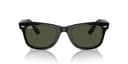
The safest answer to “one pair that goes with everything.” The Wayfarer and Aviator are icons for a reason, the acetate and metal builds last, and every lens blocks 100% UV. The honest catch: the classic G-15 lens is not polarized in its base trim, so you’re paying a premium for a non-polarized lens unless you step up to the polarized SKU. If glare control is your priority, buy the right version or a polarized brand instead. The angular Wayfarer shape is also one of the best for a round face.
Oakley — the sport-performance benchmark
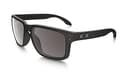
The brand to beat for activity. Oakley’s Plutonite lens blocks 100% of UV regardless of tint, its Prizm dyes genuinely lift contrast for a given sport, and the frames grip and stay put. The trade-offs: base SKUs are often non-polarized, the styling is unmistakably athletic off the field, and you pay a premium before adding a Prizm or polarized lens. See where it leads our golf roundup.
Costa Del Mar — the water specialist
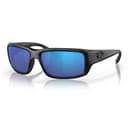
If you fish, this is the category benchmark. The 580G glass lens is the clearest and most scratch-resistant you can buy, and the tint is tuned to cut glare and reveal what’s under the surface. The cost of that clarity is real: glass is heavier than polycarbonate, it’s among the most expensive ways to see fish, and the frames read as outdoor gear rather than an everyday accessory. It earns its place in our fishing roundup.
Maui Jim — color and everyday clarity
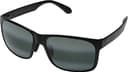
Maui Jim’s calling card is color: PolarizedPlus2 lenses lift saturation and detail so a scene looks crisper, not just darker, on a lighter polycarbonate lens that’s easy to wear all day. That makes it a natural everyday and driving brand. The honest notes: the warm, high-contrast tint isn’t for people who want neutral color, and it’s a premium price for a polycarbonate lens. It’s our clarity pick in the driving roundup.
goodr — the value runner’s favorite
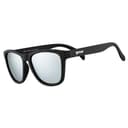
The best roughly $25–35 in sunglasses. goodr’s lenses are genuinely polarized and UV400, and the no-slip coating means they don’t bounce on a run — the reason they became a cult pick. The limits are exactly what you’d expect at the price: one size that can run wide on a narrow face, and a plastic frame and standard lens that won’t match glass for clarity. The full breakdown is in our goodr review and running roundup.
Knockaround — customizable and cheap
The budget classic you can make your own — mix frame and lens colors endlessly, with genuinely polarized, UV400 lenses on the versions that say so. The catch is that some trims of the same frame are non-polarized, so check the SKU, and the build is exactly what the money buys. Our Knockaround review and goodr vs Knockaround comparison put it next to its closest rival.
Tifosi — value sport done right
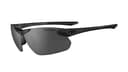
The value-sport benchmark: Grilamid TR-90 frames and shatterproof polycarbonate lenses with 100% UVA/UVB and sweat-grip nose and temple pads, at a fraction of the premium sport brands. The honest caveats: many base lenses are non-polarized (confirm the trim if you want glare control), and the fit runs medium, so very large heads may want a wider frame. For most weekend athletes it’s the smart-money sport brand.