How to choose sunglasses for a teenager
1. Decide the replacement budget before the frame
This is not cynicism, it is arithmetic. A pair that costs $27 and gets lost twice a year costs less over four years than one $200 pair that gets lost once. It is also the difference between a teenager who wears sunglasses and one who leaves an expensive pair at home because they are afraid of losing them. Start by deciding what you are willing to lose, then buy the best lens available at that number — which, in the $15–$30 band, is genuinely polarized and genuinely UV400. Our budget roundup covers how far that band now stretches.
2. UV is the one spec you should refuse to compromise on
UV damage accumulates over a lifetime and the exposure that matters most happens young, which is the whole reason the AAO publishes separate guidance for children. The label to look for is “100% UV protection”, “UV400” or “blocks 99–100% of UVA and UVB”. All three mean the same useful thing. What does not mean anything is a dark tint, a mirror finish, a high price or a designer name — and our page on spotting fake sunglasses covers why a counterfeit’s UV400 sticker is worth exactly nothing. If a listing aimed at teenagers does not state a UV figure, treat the omission as the answer.
3. They are wearing an adult size, not a kids’ size
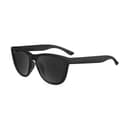
Most teenagers have reached or nearly reached adult face width, which is why children’s eyewear stops working somewhere around twelve or thirteen and why our kids roundup is not the right page for this buyer. What varies is not age but the width of the face, so buy on measurement: our size guide explains the 54-18-140 numbers printed inside a temple and how to read them off a pair that already fits. A teenager with a narrow face is better served by the SOJOS small square than by a standard frame that will sit on their cheeks.
4. For sport, retention beats everything else
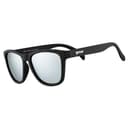
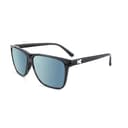
A frame that bounces gets taken off, and a frame that is taken off does nothing. The two features that matter are a grippy nose and temple surface and a snug frame width — which is the mechanism goodr sells its running frames on, in its own words a grip coating to prevent slipping and a lightweight, snug fit to stop them bouncing. That is why the goodr OG and the Fast Lanes Sport are here rather than a sharper-looking lifestyle frame. For specific sports, our baseball and running roundups go further, and the impact-protection caveat above still applies.
5. Let them pick the frame
Two of the picks below exist in dozens of colourways for the same money, which is the practical answer to the only objection a teenager actually raises. The lens spec does not change with the colour of the frame, so this is the one axis where you can hand over the decision without losing anything. If they want a particular shape, our shape pages — Wayfarer, aviator, rectangular — each rank on the lens inside the shape.
What about the brand they asked for?
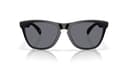
Usually it is Oakley or Ray-Ban, and usually the honest answer is that the frame is worth something and the standard lens is not what they think. Neither the Ray-Ban Wayfarer nor the Oakley Holbrook is polarized in its base trim, so a $190 pair can easily have less glare control than a $27 one. The Frogskins is in this list because it is the most teenager-proof thing Oakley makes — a light O-Matter frame with a Plutonite lens rated to block 100% of UV — and because if a step-up pair is going to be bought anyway, it may as well be one that survives. Our honest answer on price sets out what the extra money does and does not buy.
For the younger age band, and the question of whether a child’s pair needs to be polarized at all, see do kids need sunglasses.