The pick for each person, and the lens rule behind it
The angler: polarized, and glass if you can
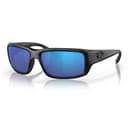
Rule: polarization is not optional on the water. It is the difference between seeing the sky reflected on the surface and seeing structure, fish and line beneath it. The Costa Fantail 580G is the gift with an obvious point: a polarized glass lens, the optically cleanest thing Costa makes, in a wrapped frame built for bright water. Glass is heavier than polycarbonate, which an angler accepts and a runner would not. Our fishing roundup covers the field, and 580G vs 580P explains the lens choice if you would rather give the lighter version.
The golfer: contrast tint, and not polarized — on purpose
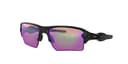
Rule: do not gift a golfer polarized sunglasses. Reading a green depends on the way light sheens off the grain of the grass, and polarization removes exactly that. The Oakley Flak 2.0 XL Prizm Golf is the reference golf sunglass: a half-frame that keeps the view open through a swing, a lens that blocks 100% of UV, and a Prizm Golf tint tuned to boost the contrast between fairway, rough and sky so the ball and the contours of the green stand out. It is non-polarized, and that is the right call. Our golf roundup explains the tint reasoning, and our Prizm explainer covers what the lens does.
The runner: coverage, grip, and usually not polarized either
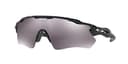
Rule: weight and grip matter more than tint. The Oakley Radar EV is the performance shield serious runners and cyclists reach for: a tall lens with maximum coverage, an open edge that keeps the peripheral view clear, a featherweight frame, and a Prizm tint that sharpens contrast on the road. It blocks 100% of UV and is non-polarized, which most runners prefer for reading the road surface. It is a purposeful gift for someone who logs real miles; for a casual runner, the goodr at the bottom of this list is the better call. Our running roundup covers both ends.
The cyclist: a lens that keeps up with the light
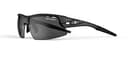
Rule: the light changes every minute on a ride. Sun to tree cover to tunnel and back, which is what a photochromic lens is for. The Tifosi Crit Polarized Fototec is the rare lens that is both photochromic and polarized, so it adapts as the light changes and also kills the glare off wet tarmac, at a price where that combination is unusual. It states 100% UVA/UVB. The honest caveat: a polarized photochromic never goes fully clear, so it is a daylight lens, not a dawn one. Our cycling roundup covers the alternatives, including a non-polarized photochromic that goes lighter.
The hiker: UV first, then grip
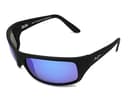
Rule: altitude means more UV. UV exposure rises with elevation, and a trail delivers light that changes every ten minutes, so a hiker’s lens needs a stated 100% UV figure first and a frame that holds on when they sweat second. The Maui Jim Peahi is the brand’s wrapped, rubber-gripped frame built for wind, water and movement, with the same polarized, color-lifting, 100%-UV lens as its dressier frames. It is the premium gift for someone who is outdoors more days than not. Our hiking roundup covers the field from this down to budget pairs.
The paddler or boater: a frame that will not sink
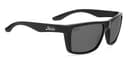
Rule: buoyancy tells you nothing about the lens — check both. For someone who kayaks, sails, paddleboards or fishes from a small boat, the recurring problem is sunglasses on the bottom of the lake. The Hobie Cove Float is a polarized, 100%-UV floating frame from an established eyewear brand rather than a novelty maker, with a water-repellent lens treatment that matters more on a boat than any tint. Our floating sunglasses roundup explains why the UV and polarization claims come before the floating one, and why for many people a floating retainer strap on a pair they already love is the better gift.
The one who does a bit of everything
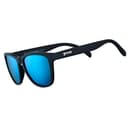
Rule: when you cannot pick an activity, pick the pair that survives all of them. The goodr OG is one size, polarized, UV400, and coated so it does not bounce or slide, and it is cheap enough to live in a running belt, a tackle box or a glovebox without anyone worrying about it. It is the right gift for the person who walks the dog, runs on Sundays, gardens and takes the occasional kayak out, and the wrong one only for the dedicated golfer above. Our goodr review covers the range.
Two activities where the pick is different again
- Skiing and snow. Snow reflects a large share of UV back upward, and glacier and high-altitude light calls for a darker lens category than anything on this page. Our skiing and snow roundup covers category 4 lenses and why they are not for driving.
- Flying. The FAA recommends against polarized lenses in the cockpit because they can mask instrument displays and the glint off other aircraft. If the recipient is a pilot, our pilots’ roundup is the one to read first — it is the one place our usual advice inverts.
What to check before you buy
- The activity, then the lens. Polarized for water and roads; non-polarized with a contrast tint for golf; non-polarized or photochromic for running and riding; darkest category for snow. Get this right and the rest is detail.
- A stated UV figure. Sport frames routinely publish an impact rating and no UV figure. A safety mark does not mean UV protection; every pick here states it. Our UV guide explains what UV400 means.
- A hard case and, for the water, a retainer strap. Both are cheap additions that make the gift last, and a floating retainer is the right add-on for any non-floating pair headed for a boat.