Shade & Temple

Duco Sunglasses Review

Duco has quietly become the default answer to two awkward questions — what to wear over prescription glasses, and what to keep in the car. Here is what the brand is genuinely good at.

By Stephen V.Last updated How we pick

Duco occupies a specific and useful niche: it is the brand people end up with when they have a problem the premium market does not care about. Wearing sunglasses over prescription glasses is one. Wanting a polarized driving pair you will not mind leaving in a hot car is another. Neither is glamorous, and neither is well served by the companies that spend their money on lens technology and heritage.

The proposition is straightforward and honest: polarized lenses with a stated UV400 rating, in shapes derived from established silhouettes, at roughly twenty-five to thirty-five dollars. That covers the specification that actually matters — the American Academy of Ophthalmology is direct that price is not a proxy for UV protection, so a $25 lens stating UV400 does the eye-health job of a $250 one.

Below: the brand verdict, four frames covering the range from the fit-over that built its reputation to an aviator and a cat-eye, and a clear account of what the low price actually costs you.

How this is funded: we earn a commission if you buy through our links, at no extra cost to you. It never changes which product we recommend, and we’ll tell you when we’d skip one. Full disclosure.

The case for

  • One of the strongest fit-over (OTG) ranges at any price — this is the brand's genuine specialty
  • Polarized with a stated UV400 rating across most of the range
  • Covers the shapes people actually search for — aviator, cat-eye, driving wrap, fit-over
  • Priced so a pair can live permanently in the car without it being a decision

The trade-offs

  • Designs are derived from established silhouettes rather than original
  • Budget hinges and plating; expect a couple of seasons of daily use, not a decade
  • Not every SKU publishes a UV figure — check the specific listing, especially on the aviators
  • Fit-overs are bulky, as all fit-overs are, and will not fit the very largest prescription frames

Best for: Wearing over prescription glasses, a polarized daytime driving pair, and anyone who wants a classic silhouette with real glare control for around $25-35.

Skip it if: You want a frame with any design identity of its own, a lens with premium optical clarity, or something that will still be going in ten years.

Quick picks

Ranked on lens spec, UV protection, tint fit and buyer value. Select a row to jump to the full write-up. We have not field-tested these — here is exactly what we do instead.

#ProductBest forPrice
1
Duco Polarized Sports (Driving)

Duco Polarized Sports (Driving)

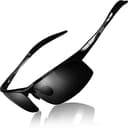
The value driving pick. Duco's polarized lens cuts the dashboard-and-road glare that tires your eyes on a long daytime drive, on a light metal frame, for around $25. It won't match a Maui Jim for color, but it addresses the actual problem — glare — at a tenth of the price.

Best overall
$24.99 · View on Amazon

Price as of September 4, 2026. #ad How we’re funded

2
Duco Polarized Wraparound Fitover

Duco Polarized Wraparound Fitover

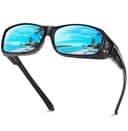
The best-value fit-over. Duco's wraparound fits over most prescription glasses, adds polarized, UV400 lenses with side coverage to block glare sneaking in from the edges, and costs about $25. For occasional over-the-glasses use — driving, a day outside — it's the sensible pick.

Best fit-over
$26.98 · View on Amazon

Price as of September 4, 2026. #ad How we’re funded

3
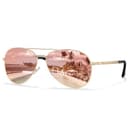
Duco 3025K Polarized Aviator

Duco 3025K Polarized Aviator

A polarized metal aviator for around thirty dollars, which is the interesting part — the shape everyone associates with a three-figure heritage frame, with the glare filter the base heritage version does not include. It is a copy of a classic silhouette and does not pretend otherwise, and it is genuinely polarized.

Best aviator
$29.99 · View on Amazon

$40.0025% off

Price as of September 4, 2026. #ad How we’re funded

4
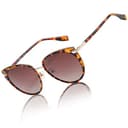
Duco DC1222 Retro Cat Eye

Duco DC1222 Retro Cat Eye

A narrow 90s-revival cat-eye that is actually polarized, which is unusual in a shape that normally sells on looks alone. The narrow front is the useful detail — most budget cat-eyes are oversized, and an oversized upswept frame is a lot of face on a small one.

Best for a narrower face
$27.99 · View on Amazon

Price as of September 4, 2026. #ad How we’re funded

The models, in full

#1Best overall

Duco Polarized Sports (Driving)

The value driving pick. Duco's polarized lens cuts the dashboard-and-road glare that tires your eyes on a long daytime drive, on a light metal frame, for around $25. It won't match a Maui Jim for color, but it addresses the actual problem — glare — at a tenth of the price.

Strengths

  • Polarized lens cuts road and dashboard glare on daytime drives
  • Light metal frame, UV400, around $25
  • A sensible everyday driving pair you won't stress about

Trade-offs

  • Polarization can make some LCD dashboard/nav screens dim or patchy
  • Never for night driving — a tinted lens reduces light you need
Lens featurePolarized, UV400, light metal frame
PolarizedYes
Lens tintNot published
Frame materialMetal
UV protectionUV400
Best forDriving, Everyday, Budget

Spec note. Duco lists the frame as polarized with UV400; as with any polarized lens, some LCD screens can look dim through it.

Specs read from the product listing, on July 18, 2026. “Not published” means the brand does not state that figure.

#2Best fit-over

Duco Polarized Wraparound Fitover

The best-value fit-over. Duco's wraparound fits over most prescription glasses, adds polarized, UV400 lenses with side coverage to block glare sneaking in from the edges, and costs about $25. For occasional over-the-glasses use — driving, a day outside — it's the sensible pick.

Strengths

  • Fits over most prescription frames without pressing the temples
  • Polarized, UV400, with side coverage against edge glare
  • Around $25 — an easy yes for occasional OTG use

Trade-offs

  • Bulkier than a dedicated sunglass, as all fit-overs are
  • Won't fit the very largest prescription frames
Lens featureFit-over (OTG), polarized, UV400, side coverage
PolarizedYes
Lens tintNot published
Frame materialPolycarbonate (plastic)
UV protectionUV400
Best forOver prescription glasses, Driving, Everyday

Spec note. Duco lists the fitover as polarized with UV400 and side-shield coverage; measure your glasses against the listed internal dimensions before buying.

Specs read from the product listing, on July 18, 2026. “Not published” means the brand does not state that figure.

#3Best aviator

Duco 3025K Polarized Aviator

A polarized metal aviator for around thirty dollars, which is the interesting part — the shape everyone associates with a three-figure heritage frame, with the glare filter the base heritage version does not include. It is a copy of a classic silhouette and does not pretend otherwise, and it is genuinely polarized.

Strengths

  • Polarized as standard, which the base RB3025 is not
  • Metal frame with spring-loaded temples that survive being shoved in a bag
  • Cheap enough to keep one in the car permanently

Trade-offs

  • A copy of a classic silhouette rather than a design of its own
  • Budget metal plating wears at the temple tips with daily use
Lens featurePolarized metal aviator
PolarizedYes
Lens tintNot published
Frame materialMetal
UV protectionNot published
Best forDriving, Everyday, Budget

Spec note. The listing states a polarized aviator in DUCO's 3025K frame. A UV figure is not published for this SKU on the listing.

Specs read from the product listing, on August 11, 2026. “Not published” means the brand does not state that figure.

#4Best for a narrower face

Duco DC1222 Retro Cat Eye

A narrow 90s-revival cat-eye that is actually polarized, which is unusual in a shape that normally sells on looks alone. The narrow front is the useful detail — most budget cat-eyes are oversized, and an oversized upswept frame is a lot of face on a small one.

Strengths

  • Polarized with stated UV protection in a shape that usually offers neither
  • Narrow 90s front suits smaller faces that oversized cat-eyes swallow
  • Under thirty dollars, so the fashion risk costs almost nothing

Trade-offs

  • A narrow lens covers less of the delicate skin around the eye than an oversized one
  • Budget acetate and hinges — treat it as a two-season frame
Lens featurePolarized narrow retro cat-eye
PolarizedYes
Lens tintNot published
Frame materialNot published
UV protectionUV protection stated (rating not published)
Best forEveryday, Small faces, Round & heart faces

Spec note. The listing states a retro polarized cat-eye with UV protection in DUCO's DC1222 frame, described as a narrow 90s vintage shape.

Specs read from the product listing, on August 11, 2026. “Not published” means the brand does not state that figure.

What Duco is genuinely best at: fit-overs

If you wear prescription glasses, your options for sun protection are prescription sunglasses (expensive, and a second pair to lose), clip-ons (fiddly, and they leave the sides of your eyes open), photochromic prescription lenses (which barely react behind a car windshield), or a fit-over frame worn over what you already own.

Fit-overs are the cheapest and most flexible answer and almost nobody premium makes them, because they are inherently bulky and no heritage brand wants its name on a frame that looks like safety eyewear. That vacuum is where Duco built its business, and its wraparound fit-over is polarized, UV400 and shaped with side coverage that blocks the light coming in past the edge of a smaller frame.

The one thing to do before ordering: measure your prescription frame — total width and lens height — and compare it against the internal dimensions on the listing. That single step prevents most fit-over returns. Our fit-over roundup covers the full field including the alternatives, and our size guide explains how to take the measurements.

The driving frame, and the honest caveat

Duco’s 8177 sports frame has become one of the most widely bought cheap driving sunglasses, and the reason is that it addresses the actual problem. Daytime driving glare is mostly reflected light — off wet tarmac, off the hood of your own car, off the rear window of the car ahead — and that is precisely what a polarizing filter removes. The American Academy of Ophthalmology describes polarization as the feature that addresses reflected daytime glare, and it does not become more effective at higher prices.

Two caveats worth stating plainly. First, polarized lenses interact with LCD panels, so some dashboards and GPS screens will look dim or patchy at certain angles — check your own car. Second, and more important: never drive at night in any tinted lens. The AAO has been explicit for years that tinted night-driving glasses reduce the light reaching your eye and make things worse rather than better. Our driving roundup covers both points properly.

Where the $25 shows

Hinges and plating

The predictable answer. Barrel and spring hinges without premium machining tolerance, thinner metal, and plating that wears at the temple tips first. In practice a Duco frame will be fine for a year or two of regular use and will not survive being sat on. The case is not optional if you want longer — our care guide covers what actually destroys sunglasses, which is mostly storage and dry-wiping rather than wear.

Lens coatings

Fewer and thinner than a premium lens, which shows up as scratches sooner than you would like. A TAC polarized lens — the laminated construction most budget polarized lenses use — is more prone to edge delamination over years than a premium injected lens, and salt water accelerates it. Rinse them if you swim in them.

Optical clarity at the periphery

The straight-line test tells you most of what you need: hold a pair at arm’s length, look through one lens at a door frame, and pan slowly. Premium lenses hold the edge dead straight; budget lenses can show slight movement near the periphery. On a flat metal frame this is barely noticeable. On a curved wrap it matters more.

Design identity

The frames are derived from established silhouettes — the aviator is an aviator, the cat-eye is a 90s cat-eye. That is fine if you want the shape, and it is worth being clear that it is not the same as buying a counterfeit: Duco brands its own frames with its own model numbers and makes its own claims. Our guide to spotting fake sunglasses covers the difference between honestly cheap and dishonestly branded, which is the distinction that matters.

Duco vs SUNGAIT vs the sport brands

Duco and SUNGAIT occupy nearly the same ground and it is worth knowing where they differ. SUNGAIT is stronger on sizing — it publishes a 62mm rectangular frame that is one of the very few cheap answers for a wide face. Duco is stronger on fit-overs and driving frames, and its range covers more shapes.

Both are different from goodr and Knockaround, which cost roughly twice as much and spend that money on no-slip coatings, sport function and brand personality — our goodr vs Knockaround comparison covers that pair. And all four are different from Tifosi, which competes on frame engineering.

Rough decision rule: Duco if you need a fit-over or a cheap driving pair, SUNGAIT if you need an unusual size, goodr or Knockaround if the frame has to stay put while you move, Tifosi if you want photochromic or genuine sport construction.

Verify the polarization yourself

Polarization is the one lens claim you can check at home in a minute. Look at an LCD screen through a lens and rotate the glasses ninety degrees — a genuinely polarized lens darkens dramatically or blacks out. Our polarization test guide covers four methods.

UV is different: it is invisible, so there is no household test, and the only real verification is an optician’s photometer. Our guide to whether polarized lenses block UV explains why the two are separate properties and why passing a polarization test proves nothing about the second.

Who should buy Duco

Buy the fit-over if you wear prescription glasses and have been putting off solving it — it is the cheapest way to stop squinting, and the specification is honest. Buy the driving frame as a permanent resident of your glovebox. Buy the aviator or the cat-eye if you want the shape and are not precious about the badge.

Do not buy Duco as a single pair you intend to own for a decade. For that, our brands roundup covers who is genuinely best at what, and our honest answer on expensive sunglasses explains what the premium tier does and does not buy once UV protection is off the table.
Frequently asked questions

Are Duco sunglasses good quality?

Good on the lens spec, average on the frame — which is a reasonable trade at $25-35. The listings state polarization and UV400 across most of the range, and the American Academy of Ophthalmology is clear that price does not predict UV protection. What you give up is hinge quality, plating durability and coating longevity. Think of them as good two-season sunglasses rather than a long-term purchase.

Are Duco fit-over sunglasses worth it?

They are the strongest part of the range and the reason most people know the brand. Fit-overs are a category the premium brands ignore because they are inherently bulky, so a polarized UV400 wraparound with side coverage at around $25 is genuinely the sensible answer for occasional over-the-glasses use. Measure your prescription frame against the listing's internal dimensions before ordering — that one step prevents most returns.

Are Duco sunglasses polarized?

Most of the range states polarized on the listing, and it is the one claim you can verify yourself. Look at an LCD screen through one lens and rotate the glasses ninety degrees; a polarized lens darkens sharply or blacks out at one orientation. Do this when your pair arrives. Note that polarization tells you nothing about UV — they are separate lens properties.

Are Duco sunglasses good for driving?

For daytime driving, yes — polarization removes the reflected glare off wet tarmac, car hoods and rear windows, which is the actual problem, and the AAO describes polarization as the feature that addresses reflected daytime glare. Two caveats: polarized lenses can dim some LCD dashboards and GPS screens at certain angles, and no tinted lens of any kind should be worn for night driving.

Is Duco a Chinese brand?

Duco is a marketplace-first eyewear brand rather than a heritage optical company, and it does not present itself as one. What matters for a buyer is that it is an identifiable own-brand with its own model numbering and its own published claims, which is fundamentally different from a counterfeit of a premium brand where the claims are attached to nothing.

Duco or SUNGAIT — which is better?

They occupy nearly the same ground and differ in emphasis. Duco is stronger on fit-overs and driving frames, and covers more shapes. SUNGAIT is stronger on sizing — it publishes a 62mm rectangular frame that is one of very few cheap options for a wide face. If you need a fit-over, Duco. If you need an unusual size, SUNGAIT. Lens claims are comparable on both.

Sources

Keep reading